AniDUB: family and kids anime, and where to watch it
From Pretty Cure, PriPara and Aikatsu to Kirby: Right Back at Ya!, Kaiketsu Zorori and Butt Detective, from the Pokémon and Doraemon films to Chi, Gudetama and Rilakkuma, and from Twelve Months to The Wonderful Adventures of Nils. Pick a show for the whole family and press Watch now.
Every series and film here is chosen for family viewing. Many popular titles have English dubs, which make it easy for younger children to follow along; press Watch now to see the audio tracks each service offers in your country.
AniDUB: family and kids anime, from Pretty Cure, Kirby: Right Back at Ya! and Chi's Sweet Adventure to the Doraemon films and The Wonderful Adventures of Nils
AniDUB began as a busy anime dubbing site with a dark navy page, a grey header bar full of uppercase links, bright blue promo tiles down the left side and a grid of posters marked with green scores and red episode badges. The new AniDUB keeps that energetic, poster-packed design and gives it a warm purpose: it is a guide to family and kids anime. Here you will find magical-girl teams and idol stars, lovable monsters and card-battle heroes, sleepy eggs and curious kittens, the long-running Doraemon and Pokémon film traditions and a treasure chest of storybook classics from the 1970s and 1980s. Every title has its own page with the story, the voice cast, the studio and, for series, every episode with its air date, plus a Watch now button that opens it on the official services in your country.
Family anime is a world of its own. In Japan, children grow up with weekly adventures on Sunday mornings, cinema trips every spring and summer to see the newest franchise film, and cuddly characters on backpacks, lunch boxes and stationery. Many of these shows have travelled around the world in dubbed versions, becoming childhood memories for millions. AniDUB gathers more than one hundred and sixty of them in one friendly place, chosen so the whole family can watch together.
The AniDUB design
The design is measured from the archived anidub.pro home page and its style sheets, captured in July 2026. The page is a deep navy, #131722, with deeper panels in #0E1119 and cards in #1E222D and #292D38. Text is a soft white, #F7F7F7, with greys for captions. The accents come straight from the original: a clear blue, #297FD7, for links, tiles and buttons, a bright orange, #FFA200, for one highlighted link in the menu, a vivid green, #1EE459, for the score badge in the corner of each poster, and a strong red, #E13535, for the episode badge beneath it. The original used a licensed typeface called DIN Pro, so AniDUB uses Barlow and its condensed cousin, open fonts with the same clean, engineered feel, for text and uppercase headings.
The wordmark reads AniDUB in white, with a thin blue underline beneath DUB, and the favicon shows the letters DUB with the same blue line on a grey tile.
The header and the tiles
The header is a solid grey bar that stays at the top of the window, just like the original's. The wordmark sits on the left and a row of uppercase links on the right: Home, Series, Films, Pretty Cure in orange, echoing the original's orange Dubbing link, Categories and Browse, followed by a blue My List link in the spot of the original's blue App link, and a search field. On a phone the links fold into a menu.
On the left of the home page, a column of tiles copies the original's promo boxes for its channels and apps. On AniDUB they lead to help: a blue tile for How to watch, another for Dubs and subtitles, a violet tile for Shows for little ones and a white card for the official site, each with a small button inside.
Dubs around the world
Family anime has been dubbed into dozens of languages. In the 1970s and 1980s, Italian, Spanish, French, German and Arabic television broadcast series such as Heidi, Nils and the storybook classics with new theme songs that children still sing today. In the 1990s and 2000s, Pokémon, Kirby and Yu-Gi-Oh! reached English-speaking audiences through popular dubs, and today streaming services often offer several dubs and subtitle tracks for the same title. The original AniDUB was part of this tradition, creating Russian dubs for fans, and AniDUB keeps that spirit by pointing families toward the official tracks available in their country.
Learning with anime
Many family anime carry gentle lessons. Shimajiro teaches everyday habits, Butt Detective sharpens observation with picture puzzles, the storybook classics introduce famous tales from around the world and the literary adaptations open the door to great novels. Some families use anime to support language learning, watching a favourite show in a second language with subtitles, or comparing a dub with the original Japanese. The friendly characters and repeated phrases make it easy to follow along.
A family calendar
Family anime follows the calendar in a charming way. In Japan, new Pretty Cure series begin every February, new Doraemon and Crayon Shin-chan films arrive in spring, and summer brings new Pokémon adventures. Christmas and New Year specials fill the winter. Families can follow the same rhythm at home: a new series for the start of the school year, a film for the spring holidays and a cosy classic for winter evenings.
First picks by age
For toddlers and preschoolers, start with short, gentle shows such as Shimajiro, Gudetama, Pingu in the City and the Pikachu shorts. For young school children, try Kirby: Right Back at Ya!, Kaiketsu Zorori, Butt Detective and the Doraemon films. For older children, the Pretty Cure series, PriPara, Yu-Gi-Oh! and the Digimon films offer longer adventures, and the storybook classics suit every age. Each service shows its own age rating, so parents can choose with confidence.
The cinema festival tradition
For decades, Japanese children looked forward to the school holidays for one reason above all: the anime film festival. Toei's Manga Matsuri, or cartoon festival, began in the 1960s and packaged several short films together, often a new feature alongside episodes of popular television series, into a single cinema programme. Families queued around the block, and the festival became a rite of childhood. The tradition continues today in the yearly releases of Doraemon, Crayon Shin-chan, Pokémon, Anpanman and Pretty Cure films, each timed for spring, summer or winter holidays.
These films are made with extra care. Studios give them bigger budgets than the television series, richer backgrounds, orchestral scores and guest stars, and they often tell more ambitious stories, with journeys to distant worlds, new friends from other times and emotional endings that leave both children and parents misty-eyed. Many families keep a habit of watching the newest film together each year, and AniDUB gathers dozens of them from every era.
Voices children remember
The voices of family anime become part of childhood. Japanese voice actors often play the same character for decades: Doraemon's warm, slightly husky voice, Anpanman's gentle calls and the sharp, cheeky tones of Crayon Shin-chan are instantly recognisable to anyone who grew up in Japan. Dubbed versions create their own beloved voices, and many adults still remember the exact way their favourite character spoke in their own language. Title pages on AniDUB list the main voice cast, and a search for a performer brings up every family title they appear in.
Theme songs and sing-alongs
Family anime is full of songs. Opening themes are written to be sung by children in the car and the playground, and many are famous far beyond the shows themselves. Pretty Cure closes each episode with a dancing ending sequence that fans copy at home, the idol series build every episode around a stage performance and the storybook classics often feature songs in the style of old musicals. Watching the openings together and singing along is one of the simplest joys of family viewing, and a great way to help young children remember a new language.
A family film night
A family film night is easy to plan with AniDUB. Choose a film that suits the youngest viewer, such as a Pikachu short followed by a Doraemon adventure, or Twelve Months followed by Ghost Cat Anzu for older children. Prepare simple snacks, dim the lights, and let each family member pick one film in turn over the coming weeks. After the film, talk about the story: who was the bravest character, which scene was the funniest, what would you pack for your own adventure?
For a themed evening, try a Doraemon double bill with an early film and a recent one, and compare how the animation has changed. For a fairy-tale night, pair Thumbelina with The Wizard of Oz. For a pet-lovers' evening, line up Chi's Sweet Adventure, Poyopoyo and Rudolf the Black Cat. Films between sixty and ninety minutes suit young attention spans, and shorter specials fill a quiet afternoon.
Gentle bedtime viewing
Short, calm episodes make a lovely part of a bedtime routine. Gudetama's tiny episodes last only a minute or two, Pingu in the City tells a complete story in a few minutes, and Chi's Sweet Adventure follows a kitten through small, cosy discoveries. Choosing one or two short episodes each evening gives children something to look forward to while keeping the routine short. Soft colours, gentle music and happy endings help little ones wind down.
For older children
As children grow, family anime grows with them. The Pretty Cure series explore friendship, responsibility and growing up in stories that run for a whole year, the Digimon Adventure tri. films follow beloved characters as they become teenagers, and the card-battle series build long, exciting tournaments. Literary adaptations such as Fifteen Boys Adrift and Call of the Wild introduce older children to classic novels, and many go on to read the books after watching.
Keep a family list of films you have watched together, with a star rating from each family member. Over a year it becomes a charming record of shared evenings and a handy guide for future movie nights.
Heroes of kindness
A striking feature of Japanese family anime is how often its heroes win through kindness. Anpanman shares his own face with the hungry, Kirby befriends even the monsters sent to defeat him, the Pretty Cure heroines try to understand their enemies and often turn them into friends, and Doraemon's gadgets are always used, in the end, to help others. These stories give children role models who are brave and gentle, strong and humble, and parents often appreciate the gentle values they carry.
Friendship at the centre
Friendship is the heart of nearly every family anime. The idol series celebrate teams who support each other on stage, the card-battle shows pair rivals who become friends, and the storybook classics often end with a lonely character finding a companion. For young viewers, these stories model how to make friends, how to say sorry and how to cheer each other on, and they make natural starting points for conversations about school and playground life.
Nature and the seasons
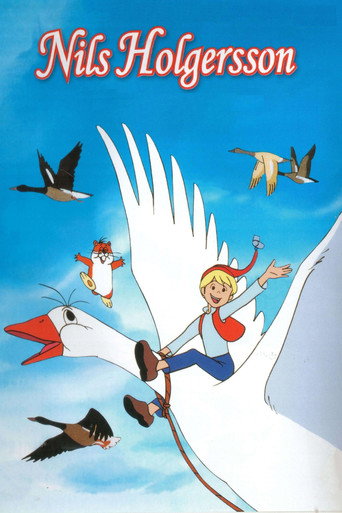
Many family films carry a love of nature. The Doraemon films visit ancient forests, cloud kingdoms and animal planets and gently ask how people should care for the world, Coo of the Far Seas and Tottoi follow children protecting rare animals, and The Wonderful Adventures of Nils teaches a boy to respect the creatures he once teased. These stories can inspire a family walk in the park, a visit to an aquarium or a small garden on the balcony.
Imagination and play
Above all, family anime celebrates imagination. A pocket full of gadgets, a door to a dream world, a magical transformation or a card that summons a dragon: each invites children to imagine their own adventures. Parents often find that a favourite show leads to drawings, games and stories at home, and that the characters become part of family life long after the credits roll.
Many parents say the best part of family anime is the conversation it starts: a question in the car, a game at dinner, a drawing on the fridge. Those small moments are what turn a favourite show into a shared family story that lasts for years.
Sanrio's film studio
In the late 1970s and early 1980s, the company famous for Hello Kitty ran its own film studio and made a remarkable series of animated features for children. Nutcracker Fantasy used stop-motion puppets on a grand scale, The Legend of Manxmouse and Sea Prince and the Fire Child used rich hand-drawn animation, and Ringing Bell told a short, powerful story about growing up that has stayed with viewers for decades. Unico, created by Osamu Tezuka, brought a little unicorn to the big screen. Watching these films today is a chance to see a lovely, lesser-known chapter of animation history.
Toei's world tales
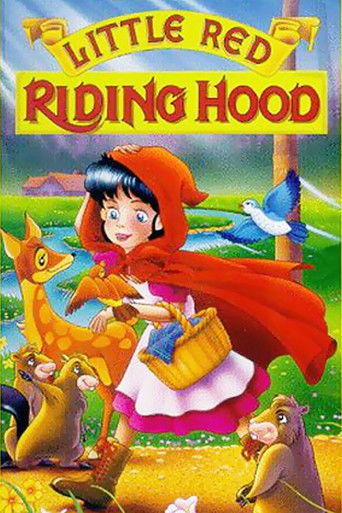
Toei Animation, the studio behind many of the storybook classics, adapted fairy tales and novels from around the world for Japanese children, often with composers and designers who later became famous. Twelve Months, Thumbelina and Little Red Riding Hood are warm, colourful and full of songs, and the studio's later world-tale films continued the tradition. Many of these films were dubbed into several languages and shown on television in Europe, the Middle East and Latin America, becoming part of childhood far beyond Japan.
Growing up with a franchise
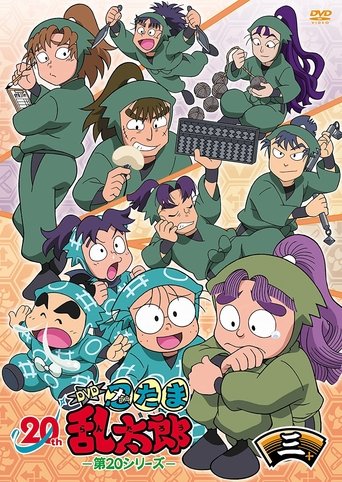
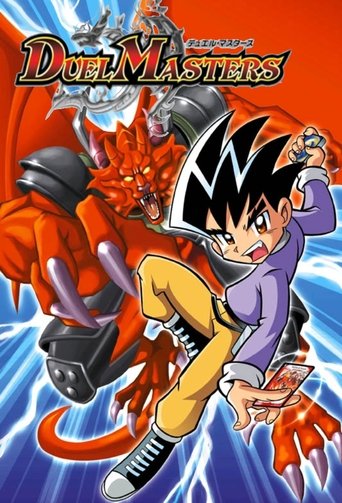
Some families watch a franchise grow over many years. Children who met Pretty Cure at four may still be following new teams at ten, and many adults who grew up with the first Doraemon films now watch the newest ones with their own children. The long-running series on AniDUB, from Ninja Boy Rantaro to Duel Masters, have accompanied whole generations. Following a franchise together can become a small family tradition, with a new film or series to look forward to every year.
Search, Browse and My List
The search understands English and Japanese titles and many alternate names, so Kirby and 星のカービィ lead to the same series, and Pretty Cure finds every entry of the franchise. Add a season and an episode, like Chi's Sweet Adventure S2E3, and the search lands on the right show. The Browse link opens the full A to Z with filters for type, genre and year. Finding a title has more tips.
My List keeps the shows your family wants to watch and remembers the episodes you have ticked, which is handy for long series like Ninja Boy Rantaro or Duel Masters. It lives in your browser, works instantly and exports to a small file for another device. My List explains how.
Any screen
AniDUB works in any modern browser on phones, tablets and computers, with a menu button on small screens. Official services have apps for smart TVs and streaming sticks, so browse on a phone and play the show on the family television. Apps and devices has more tips.
Safe streaming for families
Official apps protect your account and payment details, and many offer kids' profiles with age limits and parental controls. Keep your browser and apps updated, give each service its own password and turn on two-step sign-in. Streaming safely gathers the essentials for families.
The official AniDUB
The real AniDUB is easy to recognise: the white wordmark with a blue line under DUB, a grey header bar with uppercase links, blue and violet tiles on the left and posters with green scores and red episode badges. The official AniDUB site describes it in detail, and Is AniDUB working? lists quick fixes if a page ever looks unusual.
Sharing the fun
Family anime is made for sharing. Watch a Doraemon film with grandparents who remember the early ones, trade favourite Pretty Cure heroines with friends, or introduce a younger cousin to Chi and Gudetama. Every shared show becomes a family memory.
Why Pretty Cure lasts
Pretty Cure has run for more than twenty years because each series speaks directly to its audience. The heroines are ordinary girls with ordinary worries: making friends in a new class, living up to a parent's expectations, finding a dream to chase. Their transformations are joyful, their battles are full of energy and their villains often turn out to be lonely or misunderstood. Many series also show different kinds of families, careers and ways of being strong, which gives young viewers a wide picture of who they might become. Parents who watch alongside their children often find themselves won over by the warmth and sincerity of the stories.
The humour of Kirby
Kirby: Right Back at Ya! is often called a show for parents in disguise. Beneath its bright colours and adorable hero, it gently satirises television, advertising, fads and greedy rulers. King Dedede buys monsters from a shady company and uses them for silly schemes, while the townspeople fall for every new craze, from cooking contests to celebrity crazes. Children enjoy the slapstick and Kirby's cheerful appetite, while adults catch the jokes about modern life. It is a perfect choice for mixed-age viewing.
Tricksters with big hearts
Several beloved family characters are tricksters. Zorori schemes to become the king of pranks but always ends up helping someone, Crayon Shin-chan drives his parents to distraction but saves the day in every film, and Butt Detective's calm manners hide a fondness for surprising his friends. These characters show children that mischief and kindness can live side by side, and their comedy works across languages and cultures.
Animals as friends
Animal characters are everywhere in family anime, from the loyal dog of Junkers Come Here to the gentle whale of Fly! Peek the Whale and the curious kitten of Chi's Sweet Adventure. Many stories are about caring for an animal friend, learning its needs and saying goodbye when the time comes, gentle lessons in responsibility and empathy. Children who love pets often find these stories especially moving, and they can be a lovely way to talk about caring for animals at home.
Games on the screen
Several family favourites began as games. Kirby comes from Nintendo's platform games, Pokémon from the famous monster-collecting adventures, Tamagotchi from the digital pets that clipped onto school bags and Aikatsu and PriPara from arcade machines where children dressed up virtual idols. Their anime versions add stories, friendships and heartfelt moments to the play, and many children enjoy switching between the game and the show, discovering new characters in one and meeting them again in the other. For parents, the shows can be a gentle way to share a child's favourite hobby and to talk about what they love about it.
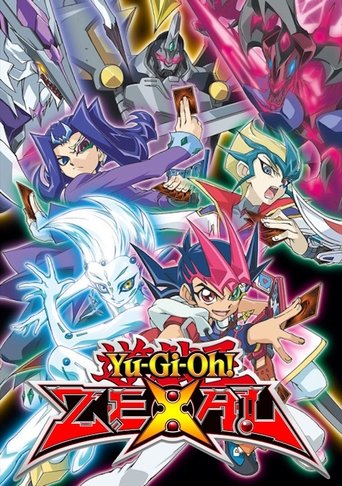
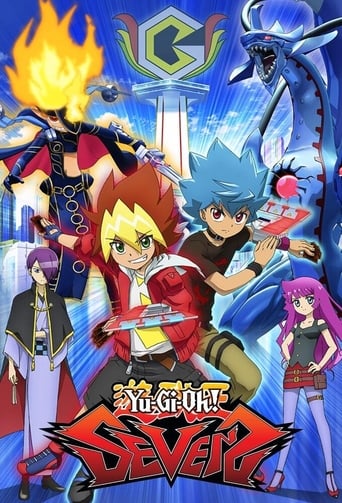
Card games follow the same path. Yu-Gi-Oh!, Duel Masters and Cardfight!! Vanguard each have long-running series that teach the basics of their games through exciting tournaments, and many young players first learned the rules by watching their heroes duel on screen.
A note for parents
AniDUB is designed to make choosing easier. Every title on the site has been picked for family viewing, and scary, fan-service-led and violent titles are left to other guides. Still, children differ, and some films, such as Ringing Bell or A Grandmother's Recollections, carry sad moments that may call for a cuddle and a chat. Each service shows its own age rating after you press Watch now, and many offer kids' profiles with age limits. Watching the first episode together is always a good way to judge whether a show suits your family.
Travelling the world through anime
Family anime can take children around the world from the comfort of the sofa. Nils flies across Sweden, Heidi lives in the Swiss Alps, the Little Women grow up in New England, Fifteen Boys Adrift are shipwrecked on a Pacific island and Coo of the Far Seas splashes through tropical waters. Looking at a map together after an episode, finding the country where the story takes place and learning a word or two of its language can turn a favourite show into a small geography lesson.
Evergreen favourites
Some titles on AniDUB have delighted children for more than forty years and still feel fresh today. The storybook classics of the late 1970s, the first Doraemon films and the literary adaptations of the early 1980s are beautifully drawn by hand and told with patience and heart. Sharing them with a new generation is one of the quiet pleasures of family viewing, and many parents find that their children love the same stories they once loved themselves.
After the credits
A favourite show can spark all kinds of creative play. Children draw their favourite characters, invent new gadgets for Doraemon's pocket, design Pretty Cure outfits, build Kirby's Dream Land from blocks or write their own fairy tales in the style of the storybook classics. Some families keep a small scrapbook of drawings and notes about the shows they have watched together, a lovely keepsake of childhood. Encouraging this kind of play turns watching into a starting point for imagination rather than an end in itself.
Cooking can join in too. Many family anime feature memorable food, from Anpanman's bread to the lunches of Delicious Party Precure, and baking a simple treat inspired by a favourite episode makes a cheerful weekend project. Whatever you try, the characters on AniDUB are happy companions for a family's everyday adventures.
News cards and the grid
The main column opens with an uppercase heading, New on AniDUB, and two dated news cards, just as the original placed its announcements at the top of the page. The first card holds the page heading and a welcome, the second a short note about watching together and choosing dubs. Beneath them, a row of round page numbers leads to the full A to Z list, and then comes the heart of the page: a four-column poster grid of the most popular titles on the site.
Each poster carries the original's badges. A green score badge sits in the top-left corner with the audience rating, and a red badge in the lower corner shows the number of episodes for a series, or the word Film for a movie, echoing the original's plus-three-episodes labels. Beneath the poster come the title in bold, the number of seasons for a series and a line with the year and the type. Hover over a poster and it grows gently.
Shelves
Below the main grid, six-wide shelves open the collections: Pretty Cure, Storybook classics, Doraemon, Cute characters, Cards and battles and Top rated, each with a See all link. The Categories page lists every shelf, from For little ones to Idols and magic and the three decade shelves.
How to watch
Watching on AniDUB takes three steps. Open a title from the grid, a shelf, a tile or the search. On the title page, read the story, check the episode list and choose your country. Then press Watch now, and JustWatch opens with every official service that carries the title where you live, whether by subscription, rental, purchase or free with ads. The show then plays in that service's own app or website. How to watch with AniDUB walks through each step, and the country list covers fifteen countries across the Americas, Europe, Asia and Oceania.
Family anime often appears on free ad-supported channels and kids' services as well as the big platforms, so it is worth checking the options every time. Where AniDUB titles stream introduces the kinds of services you are likely to see, and Free family anime explains how to find the zero-cost ones.
Why dubs matter for families
The original AniDUB was a dubbing site, and dubs remain at the heart of family viewing. For children who are still learning to read, a dub in their own language makes a series easy to follow and lets them watch the pictures instead of the subtitles. Many of the titles on AniDUB, from Kirby: Right Back at Ya! to the Pokémon and Doraemon films, have been dubbed into English and many other languages over the years, and some of those dubs are beloved in their own right. The guide Dubs for families explains how to choose a track, and Subtitles and dubs covers the details for older viewers who prefer the original Japanese voices.
Pretty Cure
The Pretty Cure collection is the biggest franchise shelf on AniDUB, and Pretty Cure on AniDUB introduces it. Since 2004, Toei Animation has launched a new Pretty Cure series every February, each with a fresh team of magical girls who transform with colourful gadgets to protect their town. The heroines fight monsters, but the heart of every series is friendship, courage and the everyday worries of growing up, from school tests to family changes and first jobs.
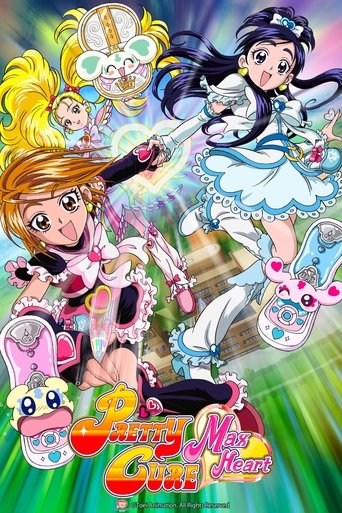
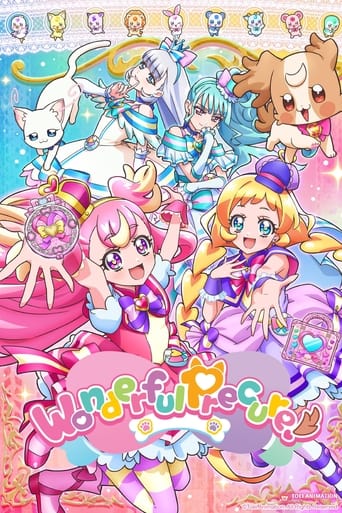
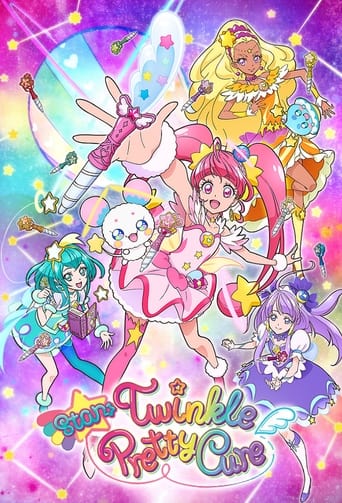
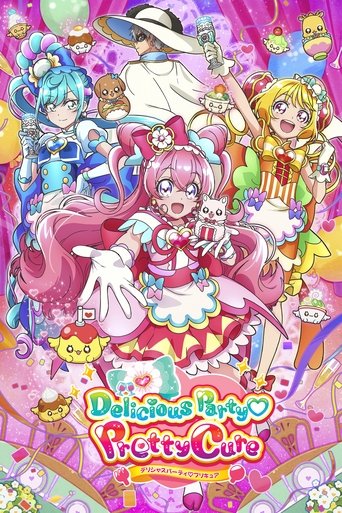
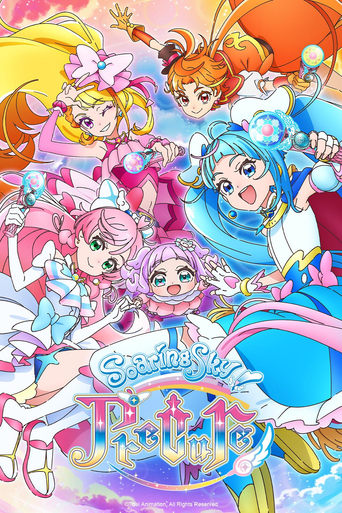
Pretty Cure, the original series, follows two very different girls, a sporty lacrosse player and a quiet top student, who become partners when two fairies from the Garden of Light fall into their lives. Later series each bring a new theme. HUG! Pretty Cure is about caring for a mysterious baby and imagining the future, Star☆Twinkle PreCure about space and imagination, Healin' Good Precure about health and nature, Tropical-Rouge! Precure about the ocean and a mermaid friend, Delicious Party Precure about food and sharing meals, Soaring Sky! Precure about heroes and flight, and Wonderful Precure! about pets and animal friendship.
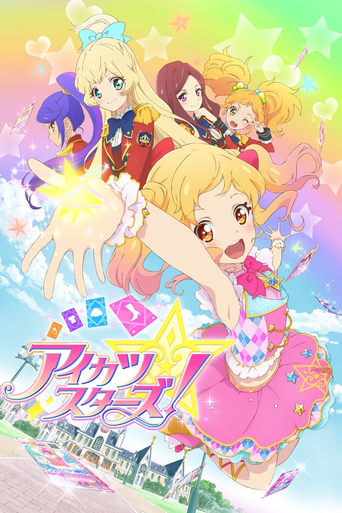
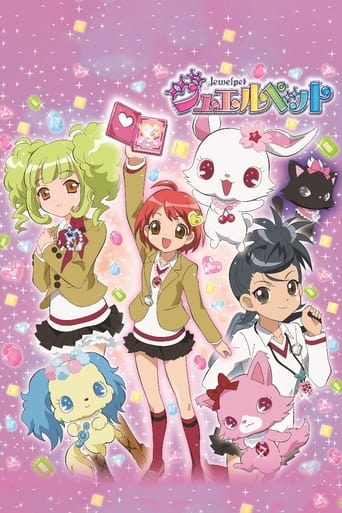
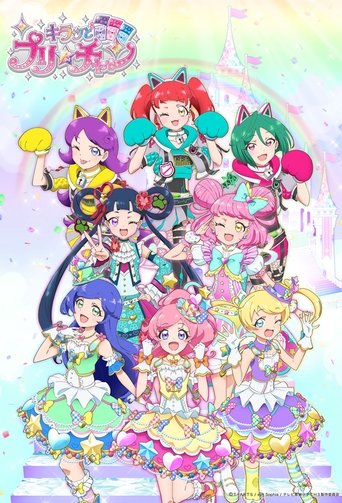
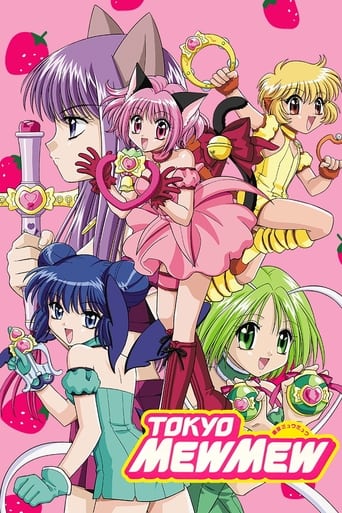
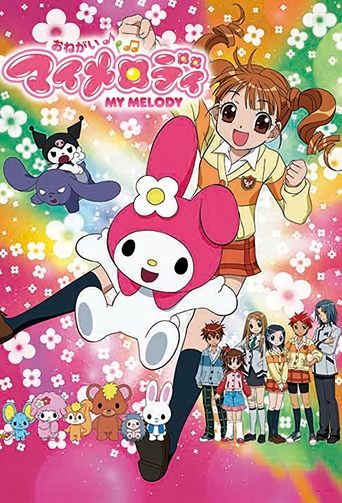
The Idols and magic collection gathers sparkling stages and magical friendships. PriPara follows a shy girl who enters a virtual idol theme park, where every visitor can become a star, and Idol Time PriPara and Kiratto Pri☆chan continue the world with new heroines. Aikatsu Stars! and Aikatsu Friends! follow students at idol academies who design outfits and perform on stage, both based on popular arcade card games. Jewelpet features adorable magical pets with jewel eyes, Onegai My Melody brings Sanrio's rabbit into a comic magical adventure, and Tokyo Mew Mew follows a team of girls fused with the genes of endangered animals to protect the planet.
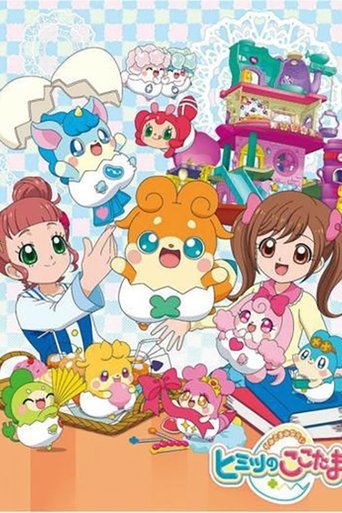
The Cocotama series follows a girl who discovers tiny gods living inside her treasured belongings, and Tamagotchi! brings the famous digital pets to life in a bright planet of their own.
Kirby, Zorori and friends
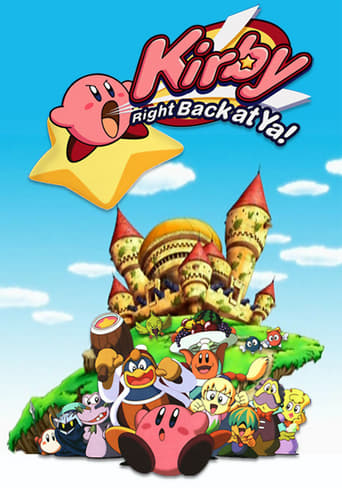
The Adventures collection gathers journeys, quests and daring rescues. Kirby: Right Back at Ya!, from 2001, follows the pink hero from Nintendo's games after he crash-lands in Dream Land, where he befriends a clever girl named Tiff and foils the schemes of the pompous King Dedede, who keeps ordering monsters from a shady company. Its gentle satire and slapstick make it a delight for parents and children alike, and its English dub is fondly remembered around the world.
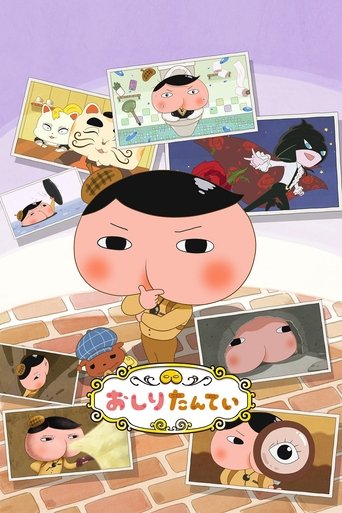
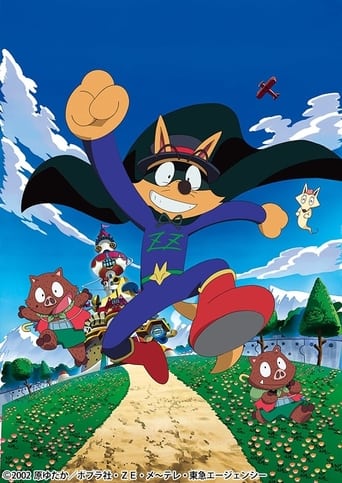
Kaiketsu Zorori follows a scheming young fox who dreams of becoming the king of pranks, travelling with his twin boar sidekicks through a world of fairy-tale villages and silly contests. Butt Detective follows a gentleman detective whose head is shaped like a bottom and who solves mysteries with the help of a boy assistant; it is surprisingly clever, with puzzles that invite children to spot clues in the picture. Mon Colle Knights sends a boy and girl on a quest to gather monster cards across magical worlds.
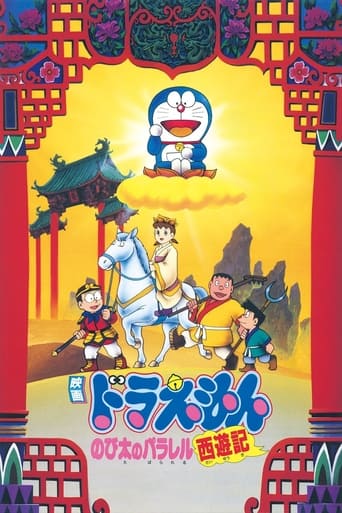
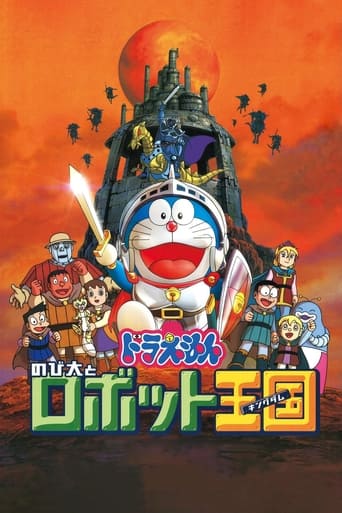
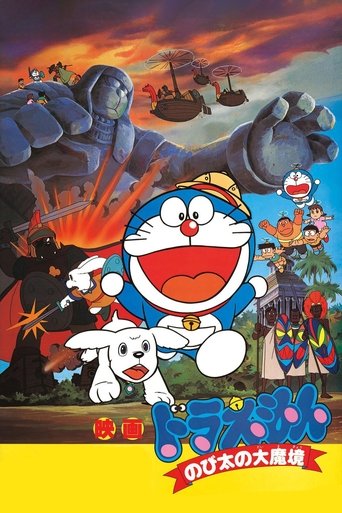
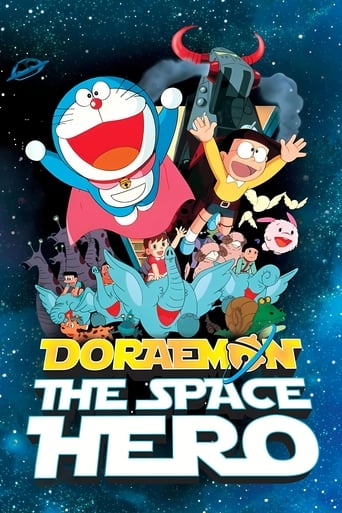
The Doraemon collection gathers twenty of the robot cat's films and specials. Doraemon, a blue robot from the twenty-second century, travels back in time to help the clumsy boy Nobita, pulling fantastic gadgets from a pocket on his tummy: a door that opens anywhere, a bamboo copter for flying, a time machine hidden in a desk drawer. Every spring since 1980, a new Doraemon film has taken Nobita and his friends Shizuka, Gian and Suneo on a grand adventure, and these films have become a treasured tradition for families across Asia and beyond.
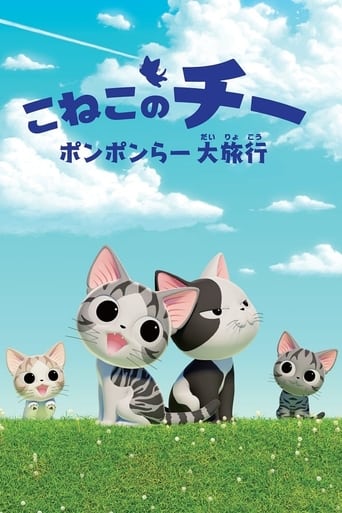
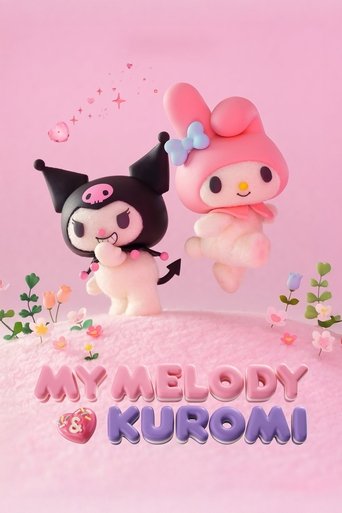
The Cute characters collection gathers the kittens, eggs, bears and penguins that decorate lunch boxes around the world. Chi's Sweet Adventure follows a curious grey kitten exploring her new neighbourhood in charming computer animation. Gudetama stars Sanrio's famously lazy egg yolk, who would rather lie in bed than do anything at all, in hundreds of tiny episodes. Rilakkuma brings the relaxed bear and his friends to television, and My Melody & Kuromi pairs Sanrio's sweet rabbit with her mischievous rival.
Pingu in the City is a Japanese computer-animated revival of the famous clay penguin, who now lives in a big city and tries a new job in each episode. Poyopoyo follows a round, rubbery cat and his loving family, Yona Yona Penguin follows a girl who dresses as a penguin and flies into a world of goblins, and Rudolf the Black Cat follows a house cat who gets lost in Tokyo and learns to survive with the help of a street-smart friend. Ghost Cat Anzu, from 2024, follows a girl who spends a summer at a countryside temple with a lazy giant cat who can talk.
Storybook classics
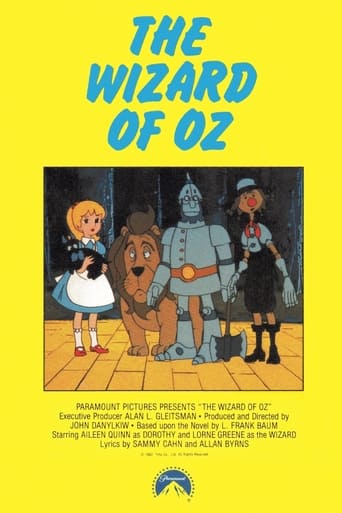
The Storybook classics collection is a treasure chest of fairy tales and classic stories, and Storybook classics offers a short introduction. Many were made in the late 1970s and 1980s by Toei Animation and by Sanrio's film studio, and they have the handmade beauty of that era. Twelve Months, from 1980, adapts a Slavic fairy tale about a kind girl sent into a winter forest to find spring flowers, where she meets the twelve spirits of the months. Thumbelina, The Wizard of Oz, Little Red Riding Hood and Aesop's Fables retell famous stories, and A Journey Through Fairyland follows a boy who meets the spirits of flowers.
Coo of the Far Seas, from 1993, follows a boy on a Pacific island who adopts a baby plesiosaur, Tottoi follows children searching for a legendary seal, Junkers Come Here follows a girl and her talking dog during a difficult family time, and The Boy Who Saw the Wind is a gentle fantasy about a boy who can fly. Fly! Peek the Whale follows a young whale and his friends, Little Jumbo follows a baby elephant and Magic Candies, from 2025, is a warm short about a lonely boy who discovers candies that let him hear what others are thinking.
Shows for little ones
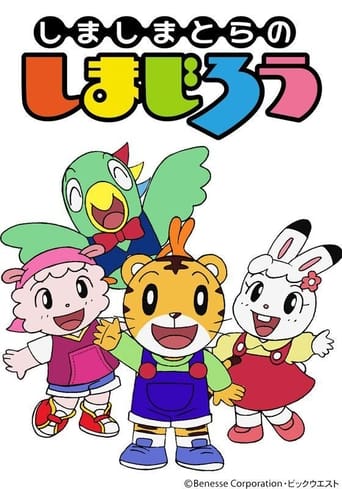
The For little ones collection gathers gentle shows for the youngest viewers, and Shows for little ones suggests where to begin. Shimajiro: A Wonderful Adventure follows a cheerful tiger cub and his friends through everyday lessons about sharing, trying new things and being brave, part of a long-running educational series loved by Japanese preschoolers. The Anpanman films, such as Go! Anpanman: When the Flower of Courage Opens, follow the kind hero with a head made of bread, who gives pieces of his face to hungry people, a gentle lesson in generosity.
Ninja Boy Rantaro follows a cheerful young ninja and his friends at a ninja school in short, funny episodes that have run for more than three decades. Wan Wan Celeb Soreyuke! Tetsunoshin follows a lively puppy, and Butt Detective turns every episode into a picture puzzle for children to solve alongside the hero. Short episodes, bright colours and friendly characters make these shows ideal for small children, and most last only ten or fifteen minutes.
Watching together
Family anime is at its best when watched together. Choose a show that suits the youngest viewer, sit close, and talk about the story afterwards: who was kind, who was brave, what they would do in the character's place. Many episodes end with a small lesson about friendship, honesty or trying again, and these make natural conversation starters. Films make a lovely weekend treat, with snacks and a blanket on the sofa.
For mixed ages, look for titles with humour for adults as well as children. Kirby: Right Back at Ya! pokes fun at television and advertising, the Crayon Shin-chan films often carry heartfelt messages for parents, and the storybook classics are beautiful enough for any age. The guide Family viewing basics has more ideas.
Four decades of family anime
The era shelves trace the history of family anime. The 1978 to 1989 shelf holds the storybook classics of Toei and Sanrio, the first Doraemon films and the literary adaptations that travelled around the world. The 1990 to 2004 shelf brings the first Pokémon shorts, Kirby, the early Pretty Cure and a wave of gentle adventure films. The 2005 onward shelf is the largest, full of idol shows, card battles, cute characters and a new Pretty Cure series every year. The Top rated shelf gathers the titles families rate most highly.
The studios behind family anime
Toei Animation is the giant of family anime, responsible for Pretty Cure, the Anpanman films, the early storybook classics and many more. Shin-Ei Animation has made the Doraemon and Crayon Shin-chan films for decades. OLM animated the Pokémon series and films, and Sanrio's film division produced the delicate fairy-tale features of the late 1970s and early 1980s. Nippon Animation brought literary classics like Nils and Chibi Maruko-chan to the screen, and studios such as Tatsunoko, Pierrot and Studio Deen added their own favourites. Type any studio into the search to see its family titles together.
From toys to television
Many family anime grow alongside toys, games and trading cards. Pretty Cure and PriPara come with transformation gadgets and dress-up arcade games, Yu-Gi-Oh! and Duel Masters with trading cards, B-Daman and Beyblade with battle toys, and Tamagotchi with its famous digital pets. The stories are designed to bring the play to life, and many children enjoy acting out their favourite scenes with their own toys. Parents can use the shows as a starting point for creative play, drawing, card games and dress-up.
Characters on every lunch box
Japan's cute characters, from Hello Kitty and My Melody to Gudetama, Rilakkuma and the Sumikko Gurashi, appear on everything from pencil cases to trains. Their anime series are usually short and gentle, with episodes of a few minutes that suit a quick break or a bedtime treat. They make a lovely first step into anime for young children, and many adults enjoy their calming humour too.
Questions
What is AniDUB?
AniDUB is a guide to family and kids anime, series and films, with a Watch now button for every title that opens it on the official services in your country.
How do I watch a title?
Open the title page, choose your country and press Watch now. JustWatch opens with the official services that carry it where you live.
Which shows suit young children?
The For little ones shelf gathers gentle shows such as Shimajiro, Gudetama, Pingu in the City and the Pikachu shorts.
Are there English dubs?
Many family titles have English dubs. Check the audio menu in the player after pressing Watch now.
What do the green and red badges mean?
The green badge shows the audience score, and the red badge shows the number of episodes, or Film for a movie.
How do I keep track of a long series?
Add the series to My List and tick the episodes you have watched. Your place is kept in your browser.
Can I move My List to another device?
Yes. Export My List to a small file, then import it on the other device.